

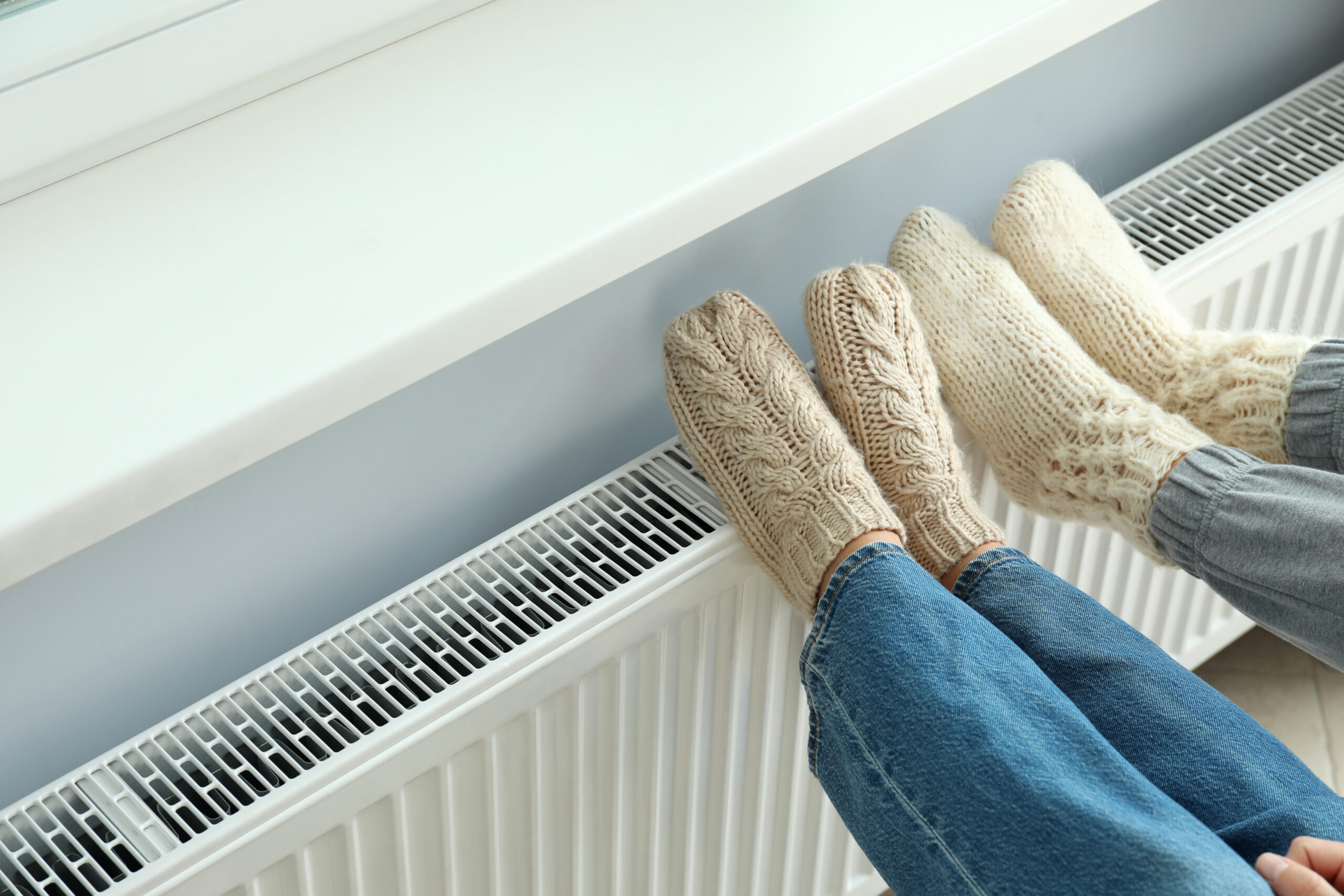
Heating Season Starts Here: Comfort Features Buyers Notice in Fall
Fall changes the way buyers experience a home. As temperatures cool, daylight shortens, and the weather becomes less predictable, comfort starts to matter in a more immediate way. A home that felt bright and open in summer may be evaluated differently once buyers begin thinking about warmth, drafts, heating systems, and how each room feels during the colder months.
For buyers, that can make one question feel especially important: does this home feel comfortable when the season changes?
A fall-ready home is not necessarily a home with the newest system or the most expensive upgrades. It is a home that feels well cared for, evenly heated, and easy to live in through cooler, wetter weather. Heat pumps, furnaces, baseboards, fireplaces, window quality, insulation, and room-by-room warmth all play a role in how buyers understand comfort.
For sellers, this is about showing buyers that the home is ready for the season. For buyers, it is about looking beyond the first impression and asking whether the home will feel comfortable, efficient, and functional once fall turns into winter.
What “fall comfort” really means
In many homes, comfort comes from a combination of features. A heat pump may offer efficient heating and cooling. A furnace may provide whole-home warmth. Baseboards may work well when rooms are zoned properly. A fireplace can add atmosphere and supplemental heat. Good windows, proper insulation, and recent servicing can all help buyers feel more confident about how the home will perform.The strongest comfort features feel practical. They are easy to understand, easy to verify, and clearly connected to day-to-day living.
For sellers: five ways to show fall comfort
Highlight recent servicing and upgrades.
If the furnace, heat pump, fireplace, or baseboards have been serviced recently, make that information easy to find. Buyers appreciate knowing that key systems have been maintained, especially as colder weather approaches.
Make the home feel evenly warm.
Before showings, check how each room feels. Bedrooms, lower levels, corner rooms, and older additions can sometimes feel cooler than the main living areas. A home that feels consistent from room to room creates a stronger impression.
Show heating systems clearly.
Do not assume buyers will understand what they are looking at. If the home has a heat pump, furnace, baseboard heating, radiant heat, or a gas fireplace, make the system easy to identify and explain. Simple documentation can reduce uncertainty.
Address drafts and small comfort issues.
Drafty windows, loose weatherstripping, cold entryways, and poorly sealed doors can stand out quickly in fall. Small fixes can make the home feel better cared for and prevent buyers from wondering what else may need attention.
Use lighting and atmosphere carefully.
Comfort is also visual. Warm lighting, clean windows, a tidy fireplace area, and uncluttered rooms can make a home feel welcoming without over-staging it. The goal is to create warmth without making the space feel heavy or crowded.
For buyers: how to evaluate comfort realistically
When touring homes in fall, it is worth paying attention to how the home feels, not just how it looks. Does the temperature feel consistent from room to room? Are there cold spots near windows or exterior doors? Do lower levels, bedrooms, or corner rooms feel noticeably different from the main living area?
Ask about the heating system, recent servicing, age of equipment, utility history, and whether any upgrades have been completed. If the home has a heat pump, ask what areas it serves. If it has baseboards, look at whether each room has its own control. If there is a fireplace, confirm whether it is decorative, supplemental, or a meaningful heat source.
Window quality matters too. Older windows can affect comfort, sound, and heat retention. Insulation may not be visible during a showing, but signs such as drafts, uneven warmth, or cold exterior walls can help buyers know what questions to ask.
The goal is not to expect every home to be perfect. The goal is to understand how the home performs during the season when comfort becomes part of everyday life.
What sellers should avoid
The biggest mistake is leaving comfort questions unanswered. If buyers cannot tell how the home is heated, when systems were last serviced, or whether upgrades were completed properly, they may assume there is more to investigate. Avoid masking cold rooms with temporary fixes, overusing candles or heavy scents, or relying on staging to cover up drafts and comfort issues. Buyers are increasingly practical, and fall has a way of revealing the details that warmer weather can hide.
Outlook:
As fall routines settle in, comfort becomes part of the value conversation. Buyers are not only looking at layout, finishes, and location; they are paying attention to how a home feels when the weather changes. A warm living room, a draft-free bedroom, a serviced furnace, or a well-placed heat pump can all help buyers picture real life in the home.
For sellers, the opportunity is to present comfort features clearly and address small issues before they become buyer concerns. For buyers, the takeaway is to look closely at how a home performs room by room, not just how it appears during a showing.
Not sure how to highlight or evaluate a home’s comfort features? Reach out to a Stilhavn agent to request a Fall Comfort Review tailored to your home, your timeline, and the way today’s buyers are thinking across B.C