

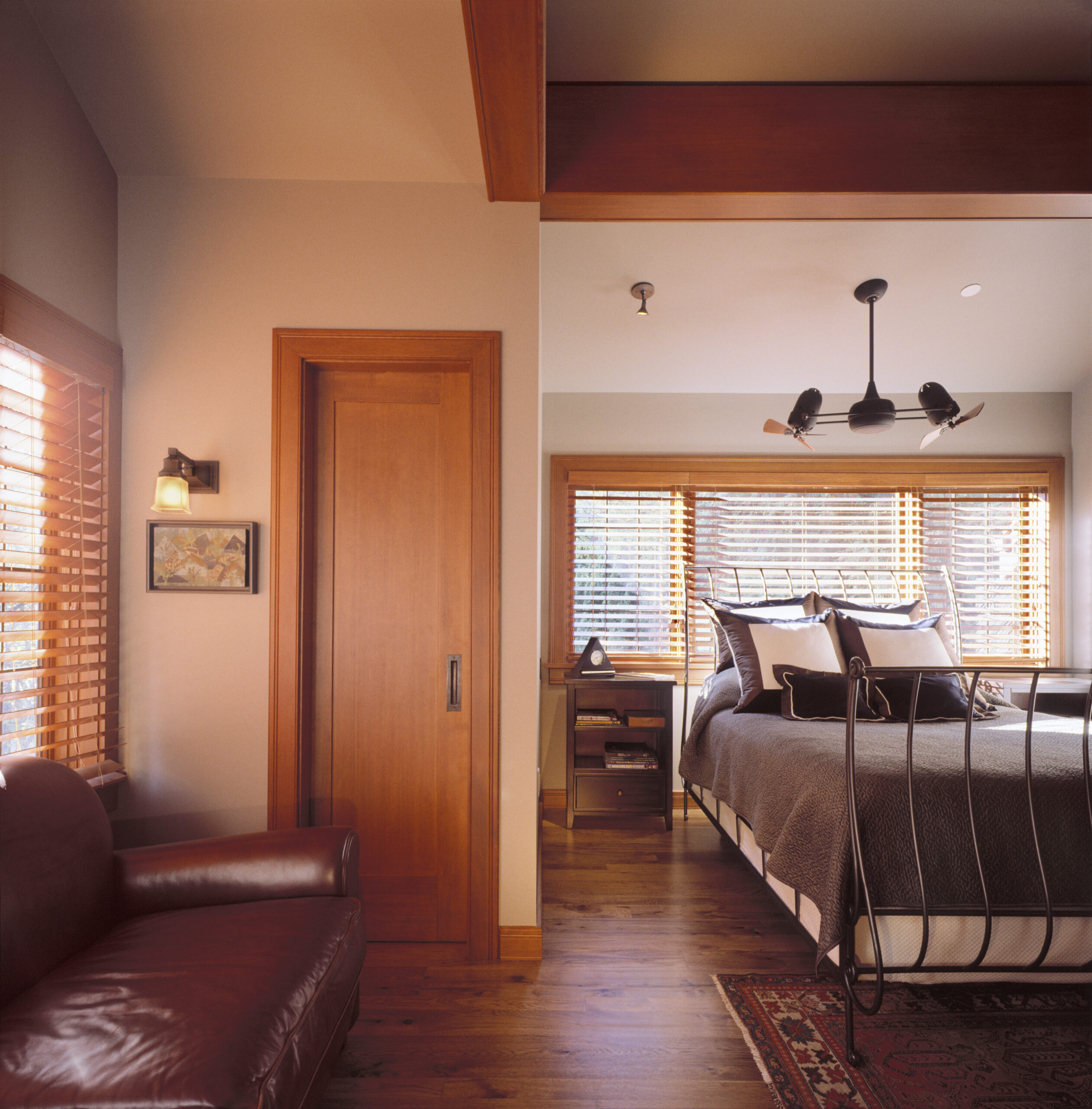
Guest-Ready Homes: Hosting Space Without Needing More Square Footage
Summer often brings people together—family visits, long weekends, friends passing through, and more time spent gathering at home. For buyers, that can make one question feel especially relevant: does this home make hosting easy? Not every household needs an extra bedroom or a larger footprint. In many cases, the most functional homes are the ones that use space thoughtfully.
A guest-ready home is not necessarily a big home. It is a home that offers flexibility, privacy where it matters, and simple ways to make overnight stays or casual gatherings feel comfortable. A well-staged den, a multi-purpose flex room, a sofa bed, a Murphy bed, a powder room, or access to shared guest amenities can all help a home feel more adaptable without adding square footage.
For sellers, this is about showing buyers what is possible. For buyers, it is about looking beyond the room count and asking whether the space can support real life—hosting, working, relaxing, and shifting needs over time.
What “guest-ready” really means
Guest-ready does not mean every home needs a dedicated guest room. It means there is a clear and comfortable way to welcome people when needed. Sometimes that is a spare bedroom. Sometimes it is a den with a door, a flex room that fits a pull-out sofa, or a living area that can convert easily for occasional overnight guests.
In strata buildings, this can also include shared amenities. Some buildings offer access to guest suites or common rooms that can support visiting family and friends without requiring owners to carry an extra bedroom year-round. That can be especially valuable for buyers who want a smaller or more efficient home but still like the option of hosting.
The strongest guest-ready spaces feel intentional. They are easy to understand, easy to use, and do not interrupt the way the rest of the home functions day to day.
For sellers: five ways to show hosting potential
Stage flex space with purpose.
If you have a den, bonus room, or spare area, show it doing one job well. A clean office setup, a simple daybed, or a small guest-room layout helps buyers understand how the space can function without guessing.
Make sleeping options feel polished.
Murphy beds, sofa beds, and daybeds can be strong solutions when presented properly. Keep the setup uncluttered, comfortable, and proportional to the room so it feels like an intentional feature rather than a compromise.
Highlight privacy and separation.
Guests do not always need a full bedroom, but they do need a sense of comfort. Doors, pocket doors, curtains, screens, or thoughtful furniture placement can help show how a space offers separation when needed.
Show the support spaces.
Powder rooms, ensuite access, hallway storage, extra closets, parking, bike storage, and entry flow all contribute to how easily a home can host. Buyers notice when the practical pieces are already in place.
Stage outdoor areas for gathering.
A balcony, patio, or yard can extend the hosting story, especially in summer. A small table, clean seating, soft lighting, and tidy surfaces help buyers picture relaxed entertaining without making the space feel high-maintenance.
For buyers: how to evaluate hosting without overbuying
When touring homes, it is easy to assume that more bedrooms automatically mean better hosting. But more space also comes with higher carrying costs, more maintenance, and sometimes a trade-off in location. A smaller home with smart flexibility may serve you better than a larger one that does not match your daily routine.
Ask yourself how often you actually host overnight guests. Is it a few weekends a year, or regularly? Do you need a private room, or would a den with a sofa bed work? Would a building guest suite solve the issue without requiring you to pay for an extra bedroom every month? Is outdoor space important for casual hosting, or is indoor flexibility more valuable?
The goal is not to plan your entire home around occasional visitors. The goal is to choose a layout that supports your lifestyle most of the time, while still giving you options when guests arrive.
Across B.C.: hosting looks different, but the value is the same
Across our B.C. markets, guest-ready living shows up in different ways, but the buyer mindset is consistent: homes that adapt feel more useful. In more urban settings, flex rooms, dens, sofa beds, and building amenities can help smaller homes host comfortably without requiring a larger footprint. In recreational and seasonal markets, buyers often look for layouts that can welcome visiting friends and family while still handling gear, storage, and day-to-day function. In coastal and lifestyle-driven communities, outdoor seating, easy entry flow, and casual gathering spaces can carry real weight. In areas where family visits and longer stays are common, privacy, parking, and flexible sleeping arrangements become part of the value conversation.
The common thread is practicality. Guest-ready homes do not need to be oversized; they need to be thoughtful, comfortable, and easy to use.
Outlook:
As buyers continue to prioritize function and flexibility, guest-ready homes can stand out without relying on size alone. A home that can welcome visitors, support hybrid work, and adapt to changing needs often feels more valuable than one that simply has more square footage on paper.
For sellers, the opportunity is to present hosting potential clearly and realistically. For buyers, the takeaway is to look at how a home supports both everyday life and occasional needs. The right space is not always the biggest one—it is the one that works well, most of the time.
Not sure how to highlight your home’s hosting potential? Reach out to a Stilhavn agent for a Guest-Ready Staging Checklist tailored to your home, your market, and the way today’s buyers are thinking across B.C.