
When to Choose Flex Space: Dens, Guest Rooms, and Future-Proofing
Across B.C., one of the most common questions buyers ask isn’t about finishes or square footage—it’s about function. Will this home still work if work routines change? If a baby arrives? If family visits more often—or needs to stay longer? Do you need a true third bedroom, or will a den do the job?
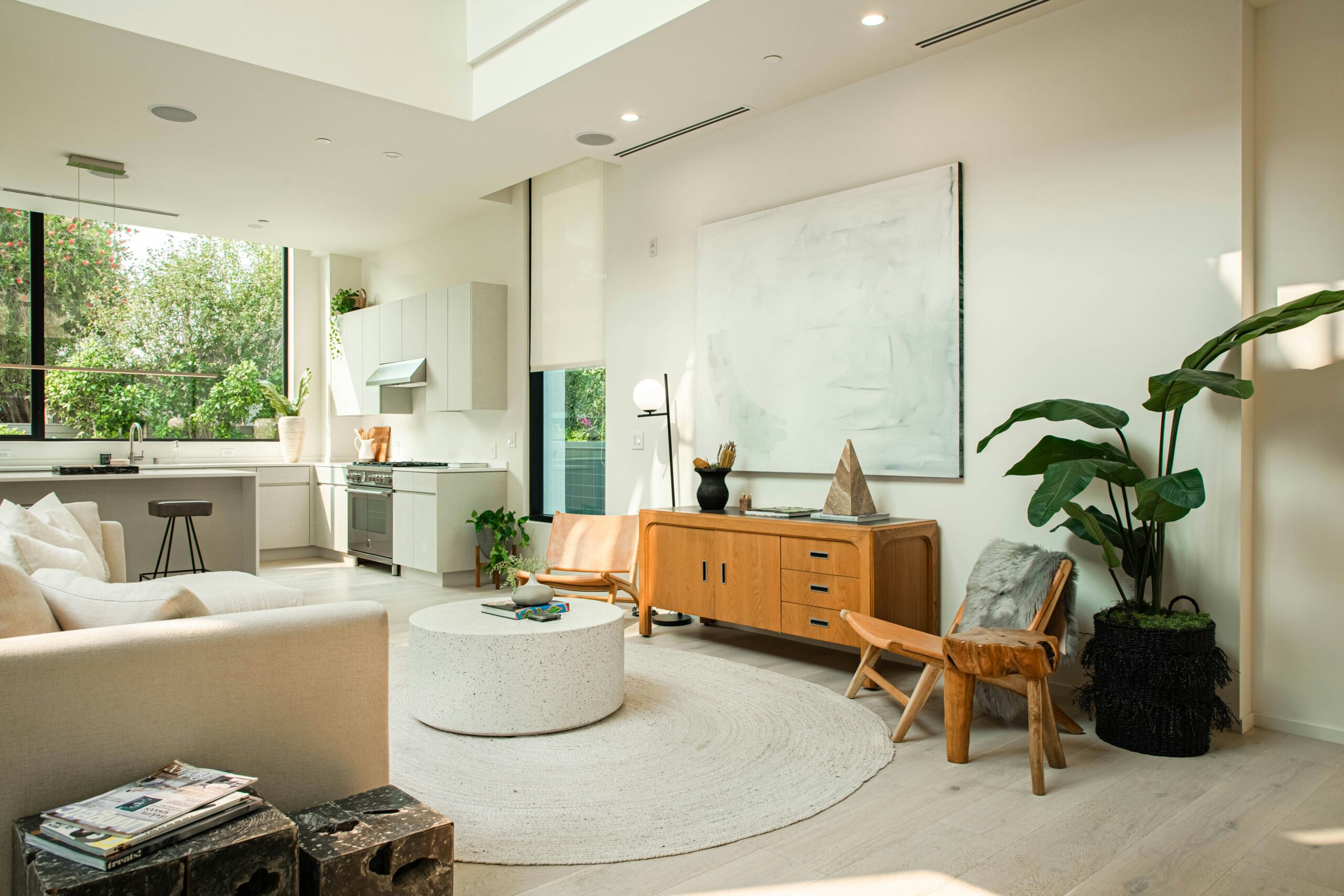
Flex space—dens, bonus rooms, spare bedrooms, finished basements, even well-planned nooks—has become a quiet value driver. Not because every household needs more rooms, but because many households need options. And in a market where buyers often balance location, budget, and lifestyle, smart flex space can help you stay where you want to be without outgrowing the home too quickly.
This is a practical guide to deciding when a den works, when a dedicated guest room matters, and how to future-proof your next move.
Why flex space matters now
Flex space is essentially a lifestyle hedge. It absorbs change: a new job, a growing family, a roommate, aging parents, or simply the need for quiet work time. For many buyers, it’s the difference between “this works today” and “this works for the next chapter.”
In urban areas especially, where buyers often weigh location efficiency against larger footprints, flexible layouts can deliver more livability than an extra few hundred square feet. The key is knowing what kind of flexibility you actually need—and being honest about how you’ll use it.
Den vs. bedroom: the real test isn’t the label
Listings use lots of words: “den,” “flex,” “office,” “bonus.” Buyers should focus less on the label and more on whether the space can do the job.
A den often works well when it has:
- A door (privacy is what turns space into a room)
- Natural light or strong lighting potential
- Enough wall space for a desk or daybed (not just an alcove)
- Placement that makes sense (not directly off a noisy living area if it’s meant for work or sleep)
An “extra bedroom” matters more when you need:
- Permanent separation for kids, a roommate, or multi-generational living
- Regular overnight guests
- A closed room that can be used without disrupting the rest of the home
In other words: a den can be perfect for many households—but only if it functions like a real room.
How sellers should present flex space (without over-selling it)
Flex space is easiest to market when it’s staged with a clear purpose but described with options.
The best approach:
• Stage it as an office or guest room, but keep it minimal
• Show how it fits a desk and storage
• Mention alternate uses: “office, nursery, hobby space, Peloton room”
• Avoid turning it into a storage closet—buyers will assume the home lacks storage
For function-driven buyers, showing flexibility clearly can make your listing feel more valuable without changing a single wall.
Regional notes across B.C.
Across our B.C. markets, buyers are placing more value on flexibility than on labels. A den, bonus room, or spare bedroom is often judged by how easily it can adapt—supporting hybrid work, visiting family, seasonal gear, or multi-generational living as needs evolve. Homes that offer a truly usable “extra space” tend to stand out because they help buyers plan for the next chapter without needing to move again too soon
Outlook:
Flex space is becoming one of the clearest value signals in today’s market—not because every home needs more rooms, but because buyers want homes that can adapt as life changes. Whether you’re weighing a true extra bedroom against a functional den, the best decision comes down to honest day-to-day needs and how well the space will perform over time.
If you’re unsure what will serve you best, reach out to a Stilhavn agent for a practical Flex Space Scorecard—we’ll help you compare layouts, identify what fits your routine, and shortlist options that keep your next move future-proof across Metro Vancouver, Sea to Sky, the Sunshine Coast, and the Okanagan.